Electric Vehicle & Hybrid Failures: How California Lemon Law Protects You
- Home
- Electric Vehicle & Hybrid Failures: How California Lemon Law Protects You
What EV & Hybrid Owners Need to Know About Their Rights in California
Electric vehicles (EVs) and hybrid cars are more popular in California than anywhere else in the country. As more drivers switch to cleaner technology, a rising number are also experiencing battery failures, charging issues, software glitches, and safety defects that leave their vehicles unreliable or unsafe.
The good news:
California Lemon Law protects EV and hybrid owners just like traditional gas vehicles — and in many cases, even more strongly.
If your EV or hybrid keeps having problems and the dealership can’t fix them, you may qualify for a refund, replacement, or cash compensation under California Lemon Law.
The good news:
California Lemon Law protects EV and hybrid owners just like traditional gas vehicles — and in many cases, even more strongly.
If your EV or hybrid keeps having problems and the dealership can’t fix them, you may qualify for a refund, replacement, or cash compensation under California Lemon Law.
Why EV & Hybrid Vehicles Often Qualify for Lemon Law
Electric and hybrid vehicles rely heavily on:
- Complex battery systems
- Advanced software
- High-voltage components
- Regenerative braking
- Charging systems
- Sensors and driver-assist technology
When any of these systems fail, the vehicle may become undriveable, unreliable, or unsafe — especially on California’s busy freeways.
Many EV and hybrid defects require special training and equipment, and dealerships often struggle to diagnose or repair the issues. When repairs fail multiple times, the vehicle may qualify as a lemon.
- Complex battery systems
- Advanced software
- High-voltage components
- Regenerative braking
- Charging systems
- Sensors and driver-assist technology
When any of these systems fail, the vehicle may become undriveable, unreliable, or unsafe — especially on California’s busy freeways.
Many EV and hybrid defects require special training and equipment, and dealerships often struggle to diagnose or repair the issues. When repairs fail multiple times, the vehicle may qualify as a lemon.
Common EV & Hybrid Defects Leading to Lemon Law Claims
Below are the most common EV and hybrid failures we see in California Lemon Law cases:
1. Battery Failure or Rapid Battery Degradation
This includes:
- Battery losing charge too quickly
- Significant loss of driving range
- High-voltage system errors
- Thermal shutdown
- Battery overheating
EV batteries are one of the most expensive components in the vehicle — and a defective battery often triggers a strong Lemon Law case.
- Battery losing charge too quickly
- Significant loss of driving range
- High-voltage system errors
- Thermal shutdown
- Battery overheating
EV batteries are one of the most expensive components in the vehicle — and a defective battery often triggers a strong Lemon Law case.
2. Charging System Problems
Many EV owners report:
- Vehicle not charging
- Charging sessions stopping midway
- Failure to connect to fast chargers
- Incompatibility with home chargers
- Charging port error messages
These issues can make the car impossible to use and qualify under Lemon Law.
- Vehicle not charging
- Charging sessions stopping midway
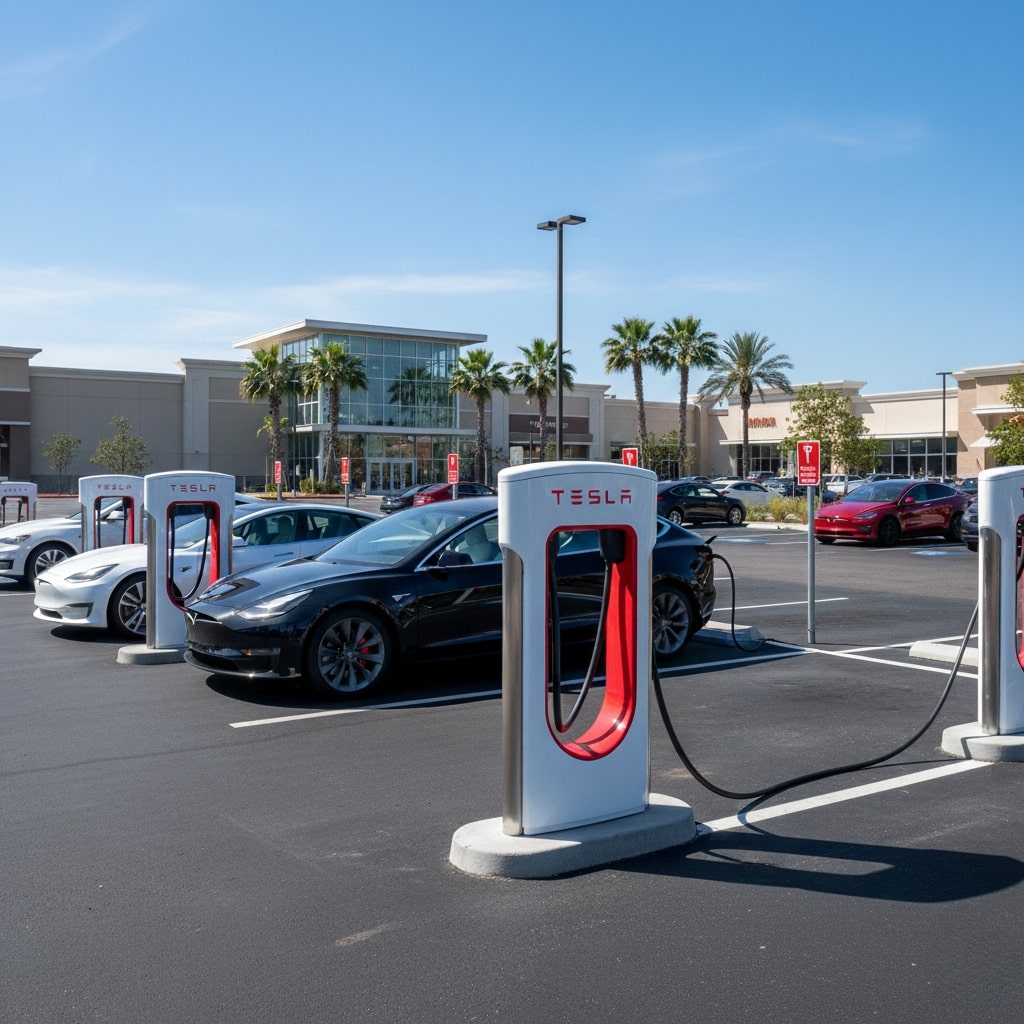
- Failure to connect to fast chargers
- Incompatibility with home chargers
- Charging port error messages
These issues can make the car impossible to use and qualify under Lemon Law.
3. Software & Firmware Failures
Electric vehicles rely heavily on software. Common failures include:
- Frozen screens
- Failed software updates
- Malfunctioning Autopilot/FSD
- Phantom braking
- Driver-assist failures
- Warning lights that repeatedly return
- “Vehicle Shutdown — Pull Over Safely” messages
These problems can be dangerous, especially at freeway speeds.
- Frozen screens
- Failed software updates
- Malfunctioning Autopilot/FSD
- Phantom braking
- Driver-assist failures
- Warning lights that repeatedly return
- “Vehicle Shutdown — Pull Over Safely” messages
These problems can be dangerous, especially at freeway speeds.
4. Electrical System Malfunctions
High-voltage and low-voltage electrical defects often trigger Lemon Law claims. Symptoms include:
- Sudden power loss
- Restart failures
- Electrical shorts
- Repeated check-engine lights
- Inoperative cameras, sensors, or displays
- Failure of HVAC, lights, or dashboard systems
- Sudden power loss
- Restart failures
- Electrical shorts
- Repeated check-engine lights
- Inoperative cameras, sensors, or displays
- Failure of HVAC, lights, or dashboard systems
5. EV Motor & Drivetrain Issues
Some EVs and hybrids experience:
- Grinding noises
- Shuddering or vibration
- Loss of acceleration
- Drivetrain overheating
- Motor replacement recommendations
Many EV drivetrains are sealed units, meaning a defect can require full replacement.
- Grinding noises
- Shuddering or vibration
- Loss of acceleration
- Drivetrain overheating
- Motor replacement recommendations
Many EV drivetrains are sealed units, meaning a defect can require full replacement.
Do EV & Hybrid Vehicles Qualify Faster Under Lemon Law?
Often, yes.
Because EV and hybrid defects involve safety, battery, or high-voltage components, courts may require fewer repair attempts to qualify. Typical guidelines:
- 2 attempts for safety issues (loss of power, battery failure, stalling, driver-assist problems)
- 4 attempts for non-safety defects
- OR 30+ days in the dealership for warranty repairs
Many EVs spend extended time in the shop because of parts shortages, software delays, or the need for manufacturer-specific technicians — which supports Lemon Law claims.
Because EV and hybrid defects involve safety, battery, or high-voltage components, courts may require fewer repair attempts to qualify. Typical guidelines:
- 2 attempts for safety issues (loss of power, battery failure, stalling, driver-assist problems)
- 4 attempts for non-safety defects
- OR 30+ days in the dealership for warranty repairs
Many EVs spend extended time in the shop because of parts shortages, software delays, or the need for manufacturer-specific technicians — which supports Lemon Law claims.
Does the California Lemon Law Apply to EVs & Hybrids Under Warranty?
Yes. California Lemon Law covers:
- New EVs
- Leased EVs
- Hybrids
- Plug-in hybrids
- Certified Pre-Owned (CPO) EVs
- Certain used EVs still under original warranty
- Vehicles with extended manufacturer warranties
As long as the defect began during the warranty period, you may qualify.
- New EVs
- Leased EVs
- Hybrids
- Plug-in hybrids
- Certified Pre-Owned (CPO) EVs
- Certain used EVs still under original warranty
- Vehicles with extended manufacturer warranties
As long as the defect began during the warranty period, you may qualify.
What Compensation Can EV & Hybrid Owners Receive?
If your EV or hybrid qualifies as a lemon, you may be entitled to:
- Full refund (buyback)
- Replacement vehicle
- Cash and keep settlement
- Loan payoff
- Refund of down payment, monthly payments, taxes & fees
- Reimbursement of rentals, towing, charging costs, and other expenses
- Civil penalties if the manufacturer violated the law
And most importantly:
The manufacturer pays your attorney’s fees — not you.
- Full refund (buyback)
- Replacement vehicle
- Cash and keep settlement
- Loan payoff
- Refund of down payment, monthly payments, taxes & fees
- Reimbursement of rentals, towing, charging costs, and other expenses
- Civil penalties if the manufacturer violated the law
And most importantly:
The manufacturer pays your attorney’s fees — not you.
How Alemi Law Group Protects EV & Hybrid Owners in California
At Alemi Law Group, PC, we represent EV and hybrid owners throughout all of California. We handle cases involving:
- Tesla
- Rivian
- Polestar
- BMW i-series
- Mercedes EQ
- Hyundai Ioniq / Kia EV6
- Ford Mustang Mach-E & F-150 Lightning
- Audi e-tron
- Nissan Leaf
- Toyota hybrids
- Honda hybrids
- Subaru hybrid models
We take care of the entire process:
- Tesla
- Rivian
- Polestar
- BMW i-series
- Mercedes EQ
- Hyundai Ioniq / Kia EV6
- Ford Mustang Mach-E & F-150 Lightning
- Audi e-tron
- Nissan Leaf
- Toyota hybrids
- Honda hybrids
- Subaru hybrid models
We take care of the entire process:
- Reviewing your repair history
- Determining if your EV/hybrid qualifies
- Filing your Lemon Law claim
- Negotiating a buyback or settlement
- Handling all communication with the manufacturer
There is no out-of-pocket cost to you.
Free California Lemon Law Case Review for EV & Hybrid Owners
If your electric or hybrid vehicle keeps having problems, we can help you determine whether it qualifies for a Lemon Law buyback or compensation.
 Call (818) 946-9911
 Email: info@alemilawgrp.com
Or request a free case review online. We proudly represent EV and hybrid owners across all of California.
Call (818) 946-9911 Email: info@alemilawgrp.comOr request a free case review online. We proudly represent EV and hybrid owners across all of California.